Color Additives
At Rowfin Enterprises Ltd, we recognize that color is not just about aesthetics—it’s an essential part of how consumers perceive and connect with products. From food and beverages to cosmetics and pharmaceuticals, the right color enhances visual appeal, builds brand identity, and creates a sensory link between appearance, flavor, and experience.
For instance, an orange-flavored drink naturally feels more authentic when it's orange in color. We ensure that such harmony is achieved safely and consistently through our range of certified color additives.
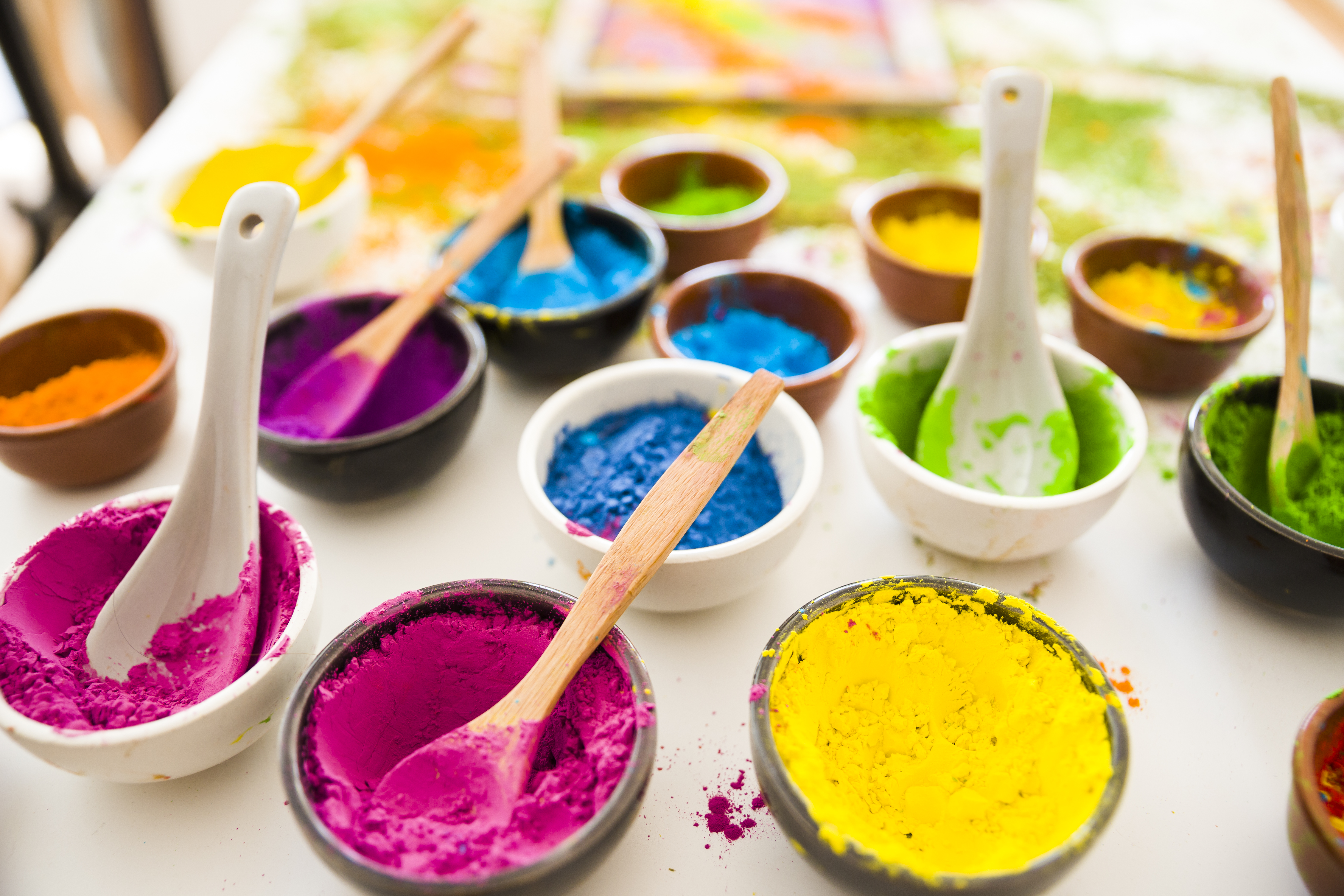
Our Commitment to Quality
Rowfin distributes only approved and certified food colorants, each tested against stringent global safety standards. Our wide portfolio includes water-soluble and water-insoluble colorants, lake pigments, and specialty blends suitable for food, beverage, pharmaceutical, and cosmetic applications.
We support manufacturers with both reliable product supply and technical expertise to ensure your formulations meet regulatory, aesthetic, and stability requirements.
What Are Color Additives?
Color additives are substances that impart color to foods, drugs, cosmetics, or other consumer products. Everyday items—like soft drinks, candy, ketchup, and makeup—derive their signature hues from these additives.
Unlike inorganic pigments such as iron oxides, color additives are organic compounds, either naturally derived or synthetically formulated, and are highly concentrated, requiring only minute quantities to achieve the desired visual effect.
Regulations often mandate that synthetic colorants be certified as safe for consumption, with full labeling disclosure of chemical identity and permitted use. Manufacturers must comply with these guidelines to ensure consumer safety and transparency.
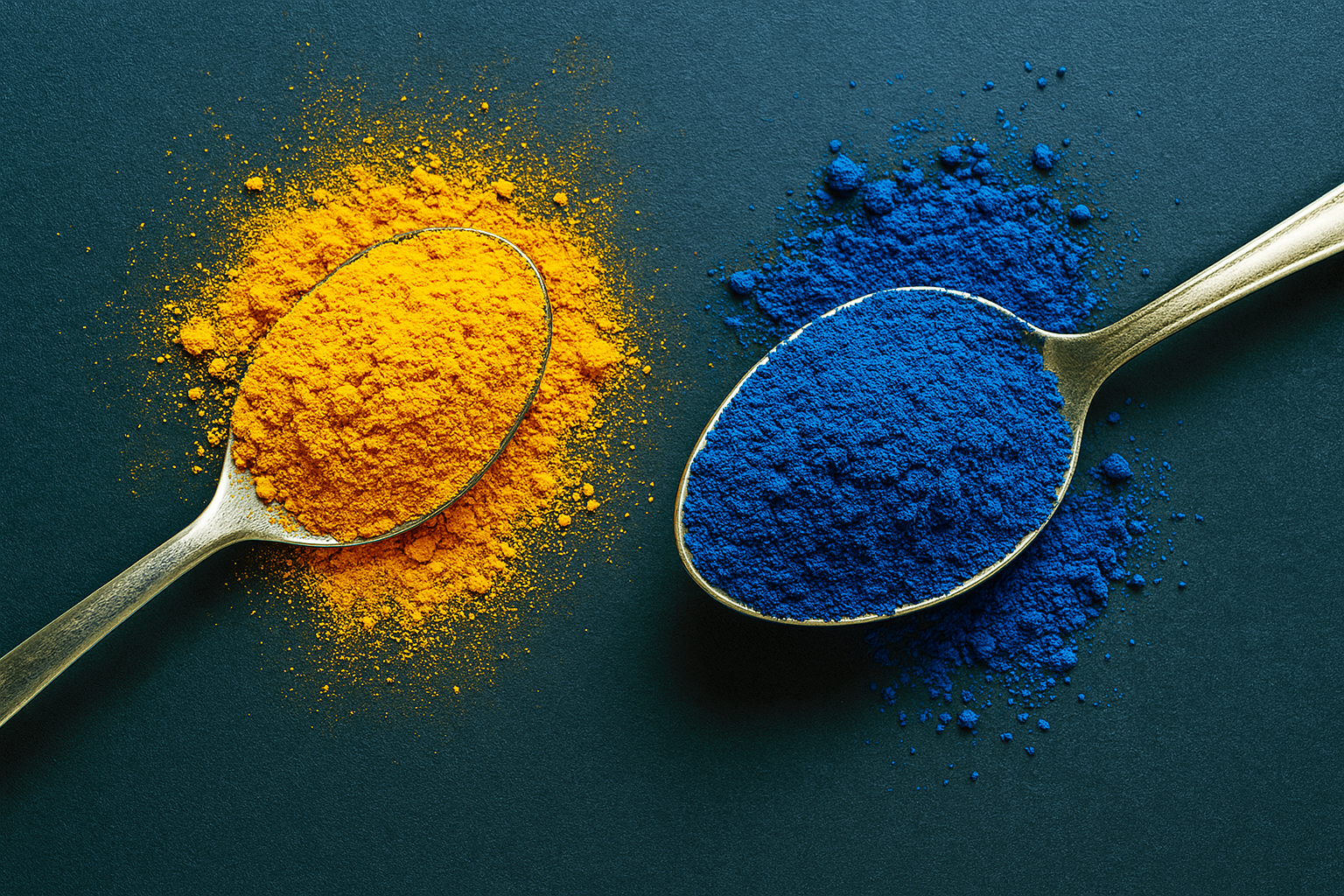
Why Color Additives Matter
Color plays a critical role in influencing appetite, product selection, and consumer trust. During processing, foods can lose their natural color due to exposure to heat, light, air, or moisture. Adding colorants restores visual appeal and reinforces the expected sensory experience.
Beyond food, colorants enhance the look and feel of pharmaceuticals, cosmetics, and even household goods—contributing to consistency and brand recognition across industries.
Types of Color Additives
1. Natural Colors
These are non-certified colorants derived from plants, minerals, or animals. They do not require certification and are considered food ingredients rather than additives.
- Annatto – Yellow
- Anthocyanin – Deep purple to blue
- Beets – Bluish-red to brown
- Caramel – Yellow to tan
- Carmine – Bluish red
- Chlorophyll – Green
- Beta Carotene – Yellow to deep red
- Turmeric – Bright yellow
- Saffron – Yellow to orange
2. Artificial (Certified) Colors
Artificial colorants are laboratory-formulated compounds available in a wider spectrum of shades and hues. They undergo certification and strict regulatory control before being approved for use.
Dyes (Water-soluble):
- FD&C Blue #1 (Erioglaucine)
- FD&C Blue #2 (Indigotine)
- FD&C Green #3 (Fast Green)
- FD&C Red #3 (Erythrosin B)
- FD&C Red #40 (Allura Red)
- FD&C Yellow #5 (Tartrazine)
- FD&C Yellow #6 (Sunset Yellow)
Lakes (Water-insoluble):
Produced by combining a dye with a metallic salt (commonly aluminium hydroxide). Example: Red 40 Aluminium Lake.
Safety and Compliance
All color additives supplied by Rowfin are certified and compliant with international safety and labeling regulations. Our technical specialists guide manufacturers on:
- Proper color selection and dosage
- Application-specific suitability
- Labelling requirements
- Compliance with local and international standards
We take pride in helping our clients formulate visually striking, compliant, and consumer-trusted products.